
Best Native Plants for Coastal Hawke’s Bay Conditions
Coastal environments in Hawke’s Bay, particularly in Te Awanga, Waimarama, and Waipatiki, present distinct challenges for successful planting. These areas are characterised by persistent salt-laden winds, free-draining or sandy soils, periods of drought, and high levels of exposure. As a result, plant selection must be deliberate and based on species that can tolerate these abiotic stressors while establishing quickly enough to stabilise soil and suppress weed growth. Selecting the right native plants not only improves survival rates but also reduces long-term maintenance and enhances ecological outcomes.
Coastal conditions across Te Awanga, Waimarama, and Waipatiki are shaped by a combination of environmental pressures. Salt carried in coastal winds can damage sensitive foliage, while sandy or low-organic soils limit nutrient availability and water retention. Sites are often fully exposed to sun and wind, increasing evapotranspiration and plant stress. At the same time, these environments can experience intense rainfall events, creating variability that plants must withstand. Successful coastal planting therefore relies on hardy, adaptable species that are naturally suited to these fluctuating conditions.
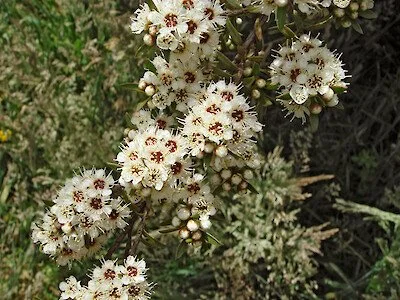
Mānuka (Leptospermum scoparium) is one of the most reliable species for coastal Hawke’s Bay. It performs exceptionally well in exposed environments such as Te Awanga and Waimarama, where it tolerates poor soils, wind, and salt exposure. As a pioneer species, mānuka establishes quickly and plays a key role in improving soil structure over time. It also contributes to biodiversity by providing habitat and food sources for insects and birdlife, making it an essential component of early-stage restoration.
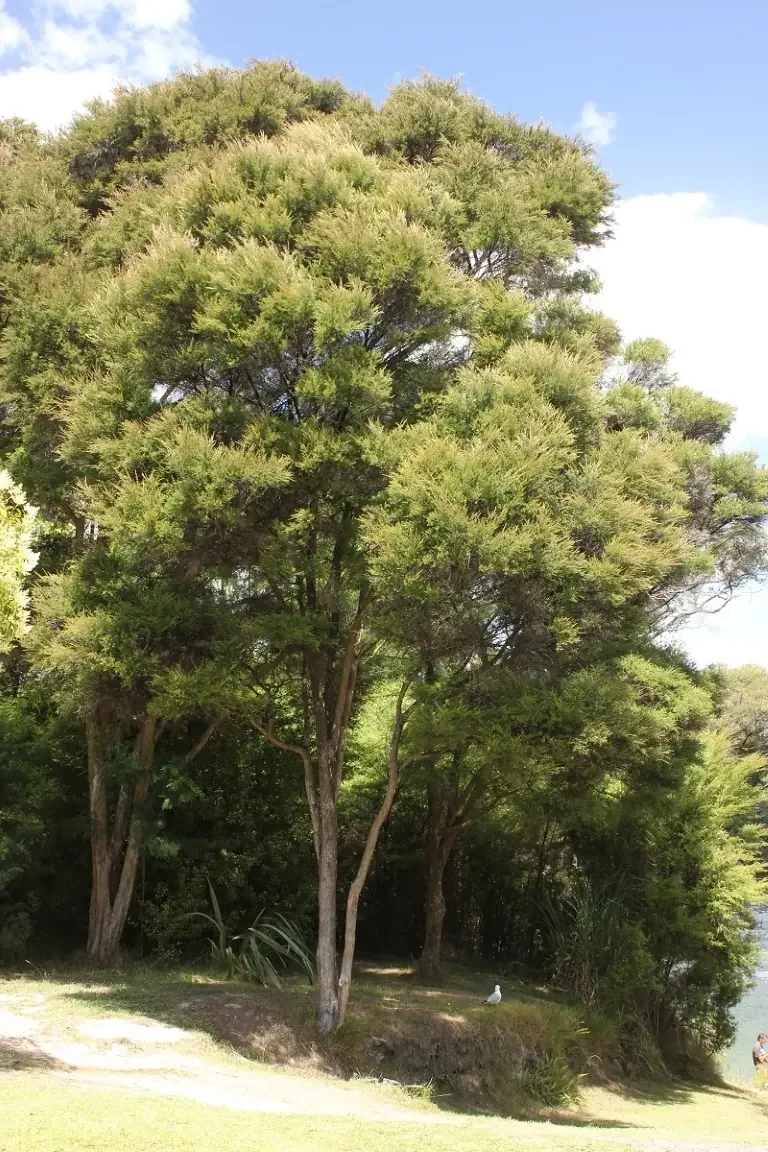
Kānuka (Kunzea robusta) complements mānuka by providing faster vertical growth and early canopy development. It is particularly well suited to coastal hillsides such as those found around Waipatiki, where slope and exposure demand resilient species. Kānuka acts as a nurse crop, creating shelter that allows more sensitive, slower-growing native plants to establish beneath it over time.
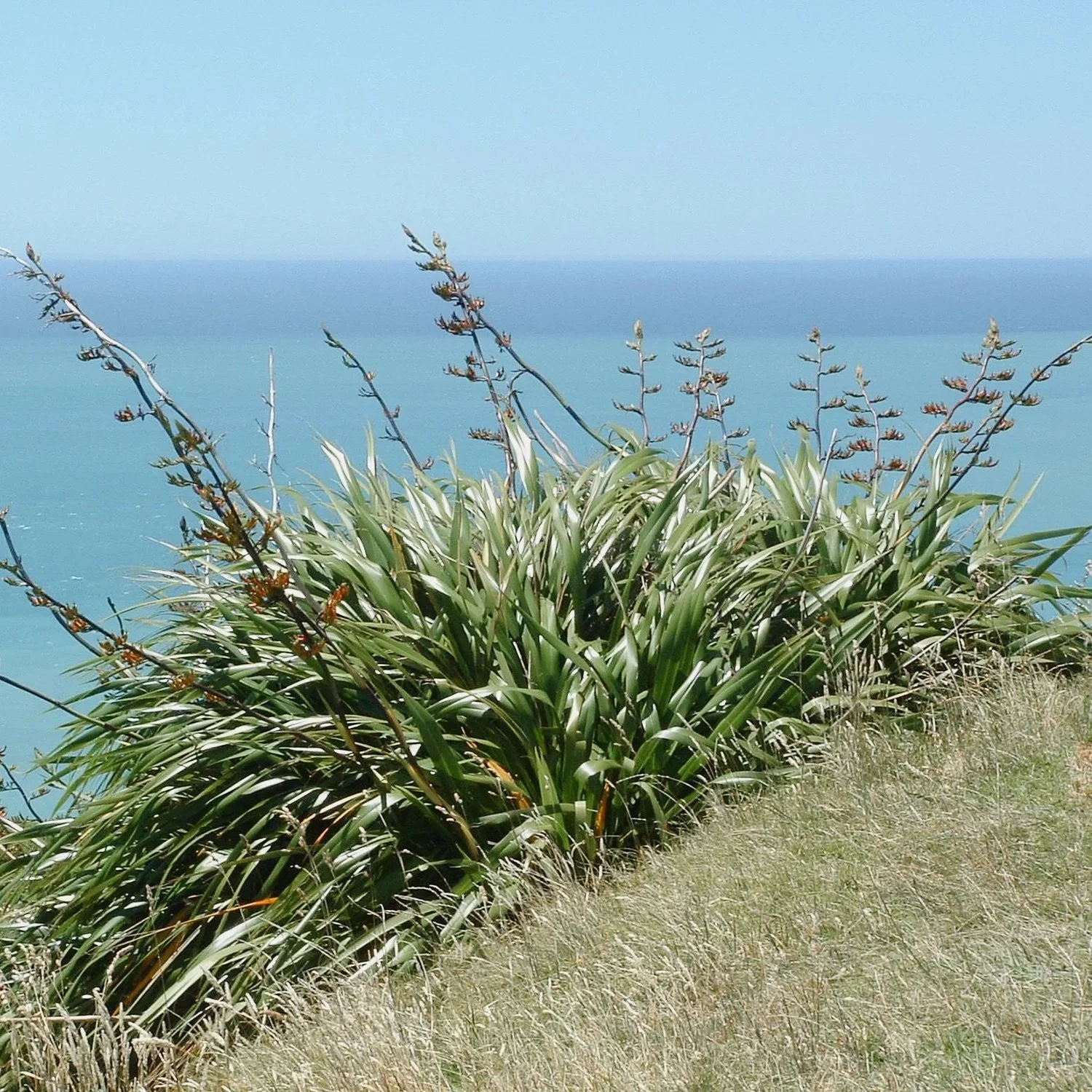
Coastal flax (Phormium cookianum) is another highly effective species across all three locations. Its strong tolerance to salt spray and wind makes it ideal for exposed sites, while its deep root system contributes significantly to soil stabilisation. In addition to its structural value, flax provides habitat and nectar sources for native bird species, supporting wider ecological function.
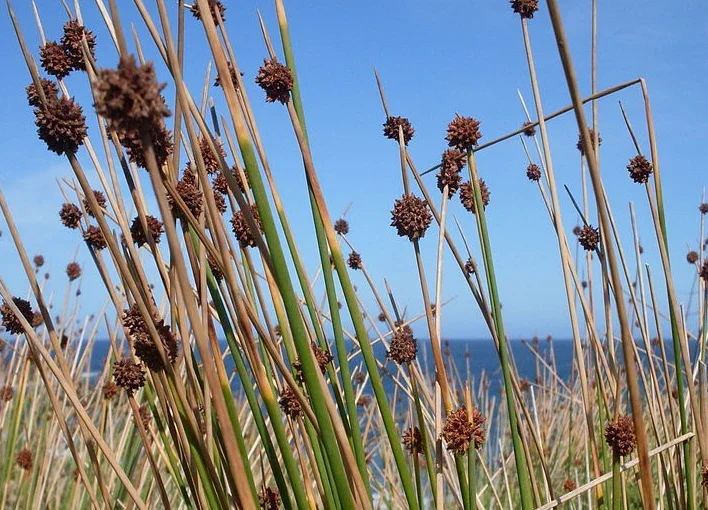
Knobby clubrush (Ficinia nodosa) is particularly important in highly exposed and sandy environments, such as beachfront areas in Te Awanga and Waimarama. This species is well adapted to extreme coastal conditions and plays a critical role in stabilising sand and preventing erosion. Once established, it requires minimal maintenance and forms an effective groundcover layer.
Karamu (Coprosma robusta) is best suited to slightly more sheltered coastal areas, including valleys and lower slopes around Waipatiki. It is a fast-growing shrub that contributes to mid-storey structure and provides an important food source for native birds through its berries. Its adaptability allows it to perform well across a range of coastal conditions once some shelter has been established.
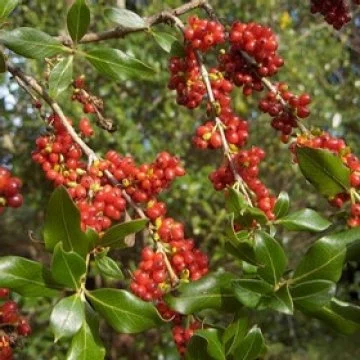
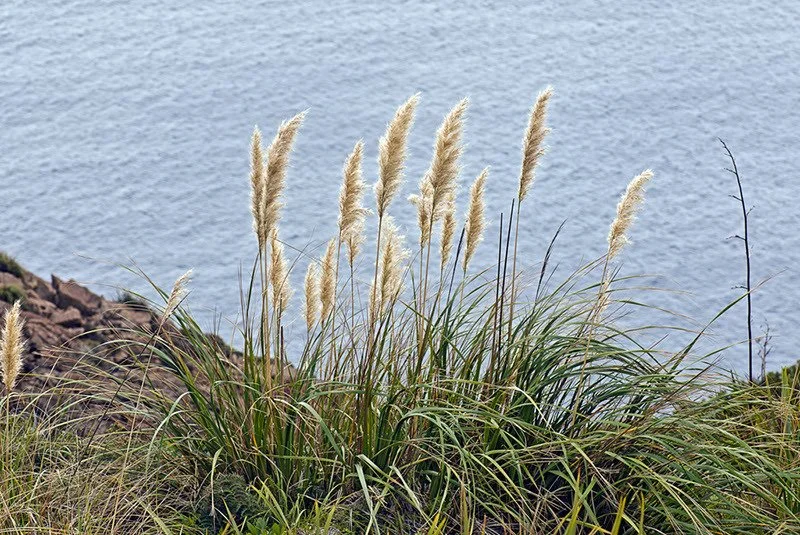
Toetoe (Austroderia fulvida) is highly effective in exposed ridgelines and open coastal landscapes. Its strong wind resistance and height make it valuable for reducing wind speeds across planting areas, thereby improving conditions for surrounding plants. It also provides visual structure and screening, making it both functional and aesthetically beneficial.
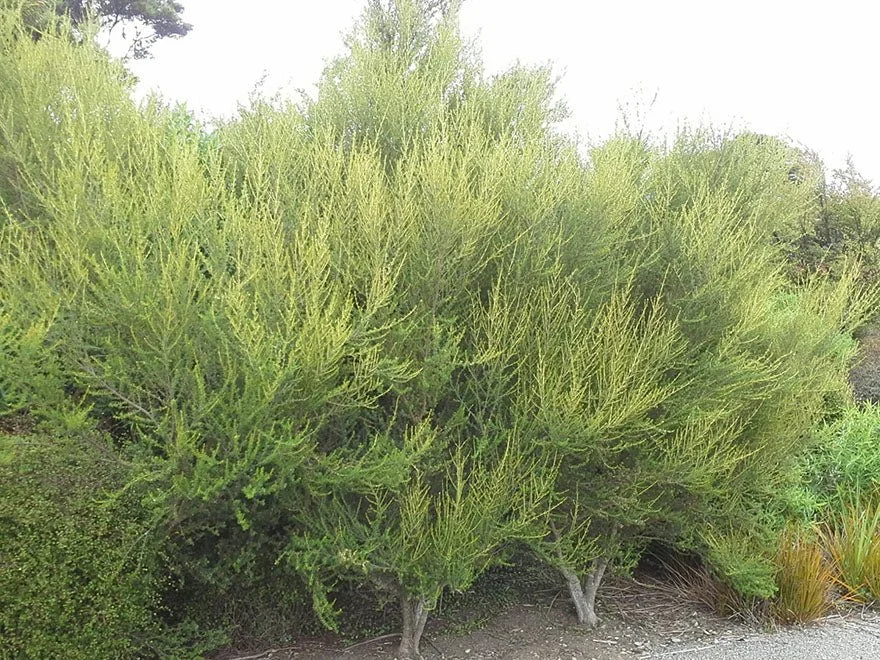
Coastal tree daisy (Olearia solandri) is particularly valuable in coastal Hawke’s Bay due to its high tolerance for wind and salt exposure. It performs well along coastal margins and exposed slopes, forming dense shrubby structure that contributes to shelter and biodiversity.
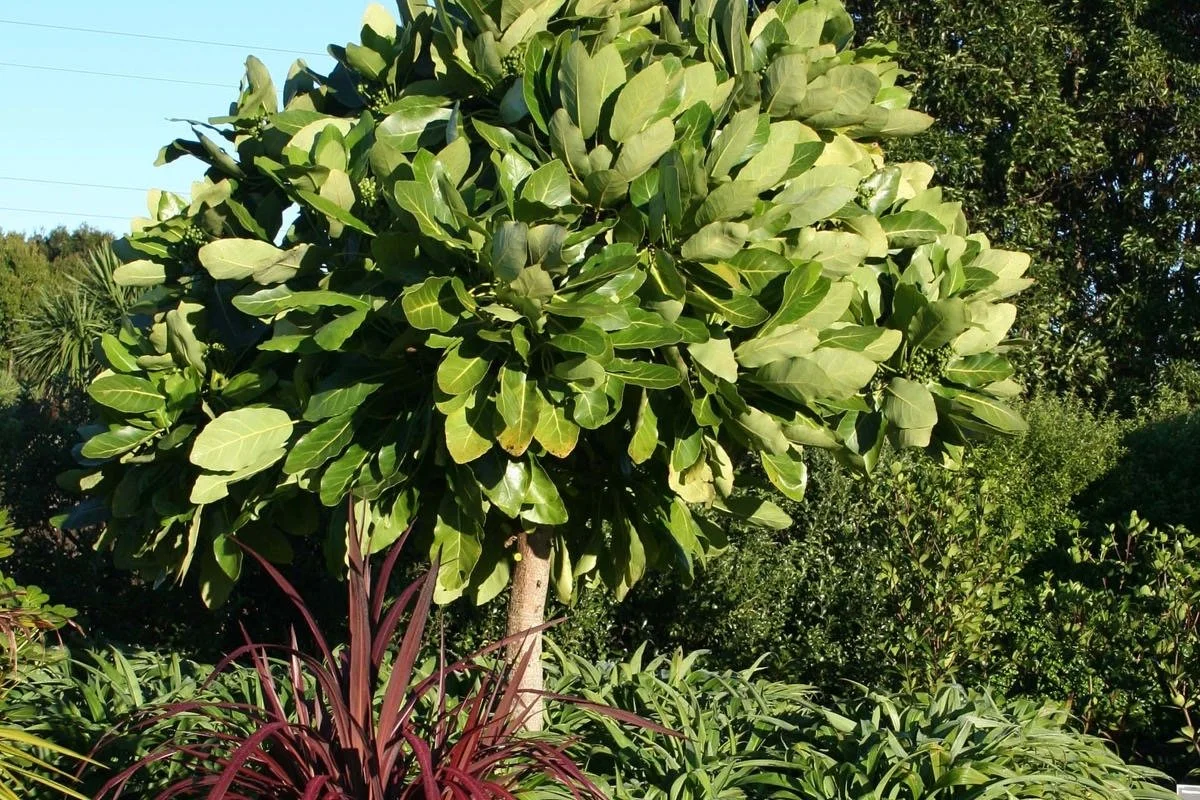
Puka (Meryta sinclairii) is well suited to more sheltered coastal microclimates, particularly in areas where some wind protection has already been established. Known for its large, glossy leaves, puka adds strong visual structure and is highly tolerant of coastal conditions once established.
Ngāio (Myoporum laetum) is a highly effective coastal species for Hawke’s Bay, particularly in exposed areas such as Te Awanga and Waimarama. It is well known for its tolerance to salt-laden winds and harsh coastal conditions, making it a reliable shelter species in early to mid-stage planting. Ngāio establishes quickly and forms a dense canopy, providing protection for more sensitive species while also contributing to overall site stability and structure.
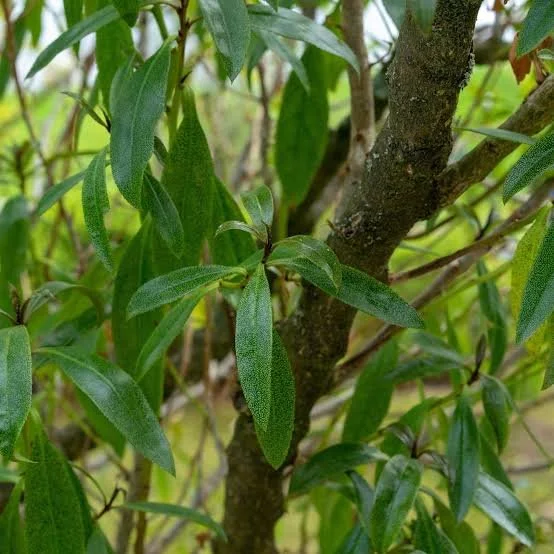
Successful coastal planting in areas such as Te Awanga, Waimarama, and Waipatiki is best approached using a successional strategy. Initial planting should focus on hardy pioneer species such as mānuka, kānuka, ficinia, and coastal tree daisy. As these species establish and create shelter, structural plants like flax, toetoe, and karamu can be introduced. Species such as puka are then incorporated once sufficient shelter has developed.
Plant spacing is a critical factor in achieving successful outcomes. In coastal Hawke’s Bay, spacing typically ranges between 1.5 metres and 2.5 metres depending on the level of exposure. This equates to approximately 1,600 to 4,400 plants per hectare. In highly exposed locations, closer spacing improves survival rates and accelerates canopy closure.
Establishment practices are essential for long-term success. Weed control prior to planting reduces competition, while plant guards help mitigate wind and pest damage. Autumn and early winter provide optimal planting conditions due to improved soil moisture. Fertiliser is generally unnecessary, as native plants are adapted to low-nutrient environments.
Backyard Eco Landscapers specialise in native planting and ecological restoration across Hawke’s Bay, including coastal environments in Te Awanga, Waimarama, and Waipatiki. If you are planning a planting project, we provide site assessments, plant selection, sourcing, and full installation.
Contact Backyard Eco Landscapers today to get started.